







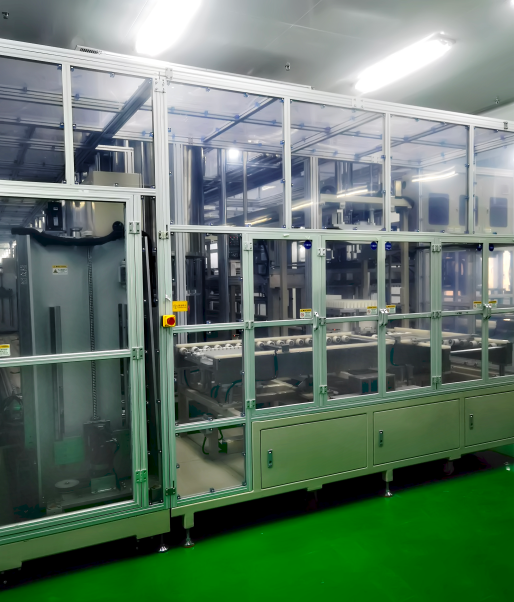
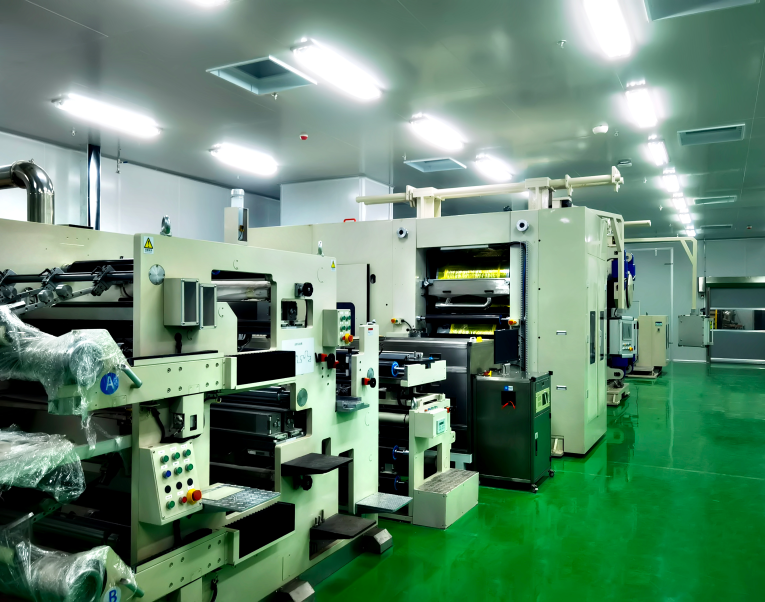
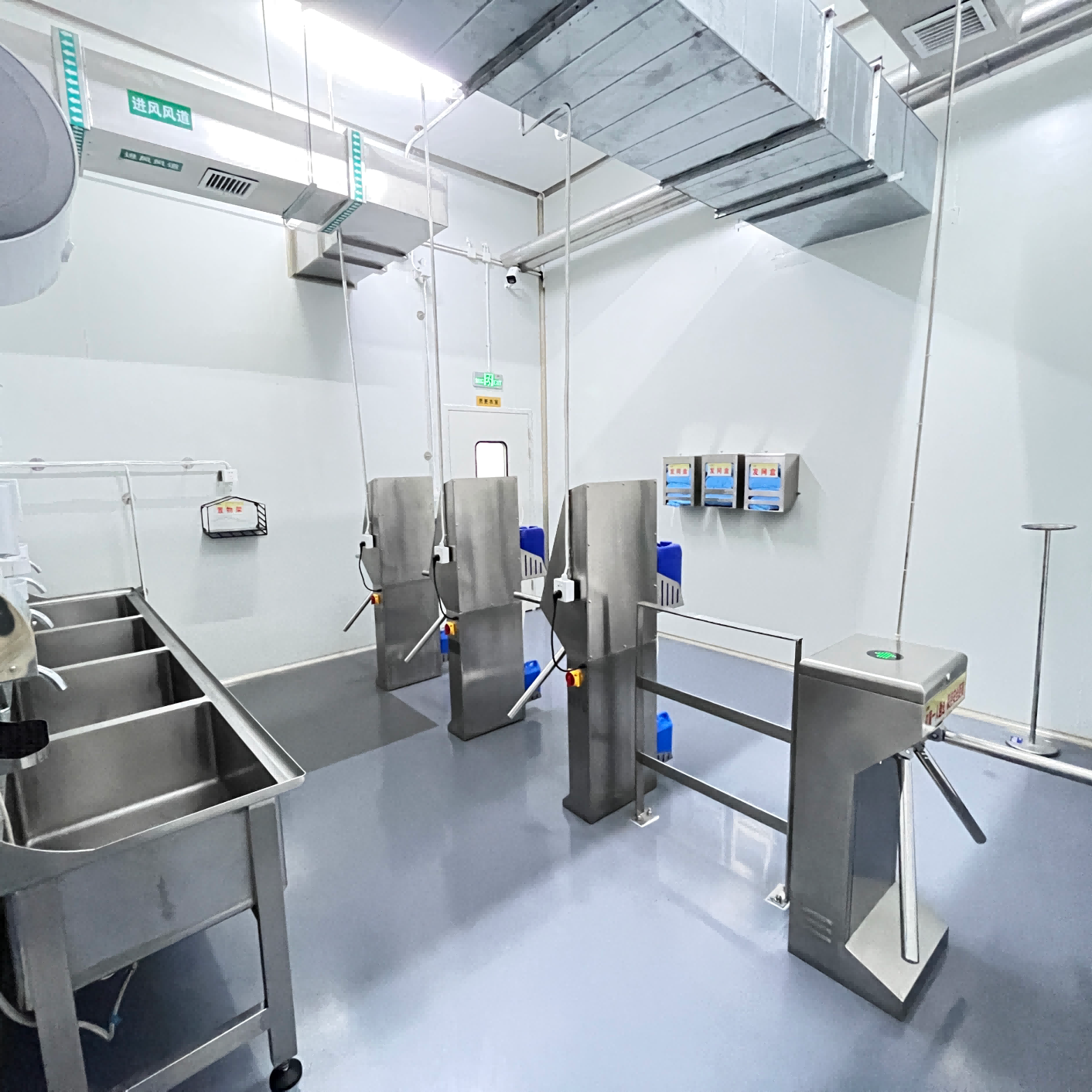
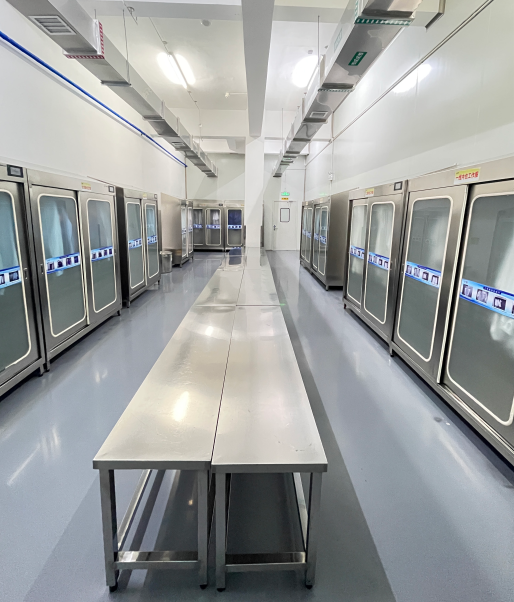

Core Businesses
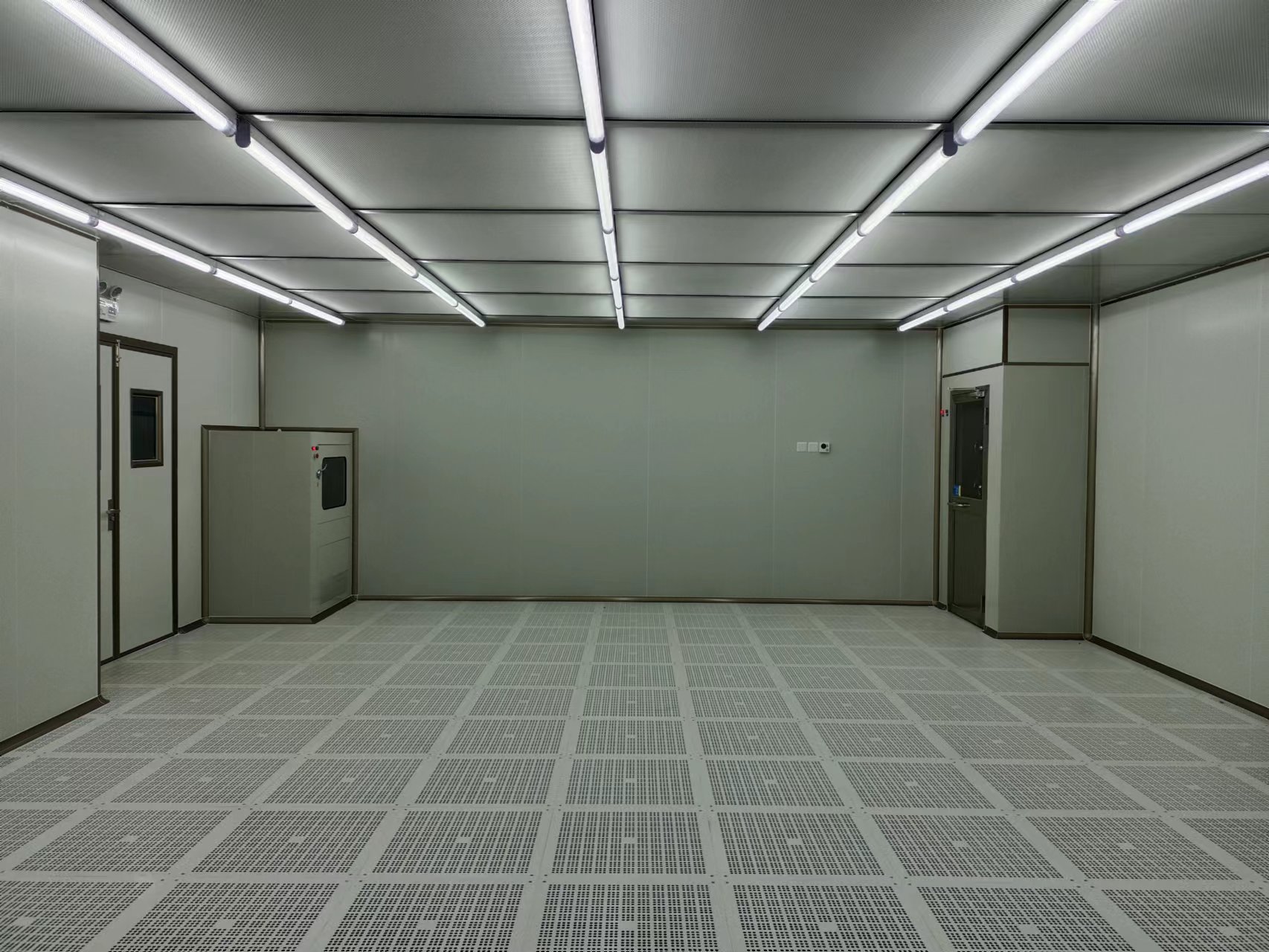
Semiconductor Chip
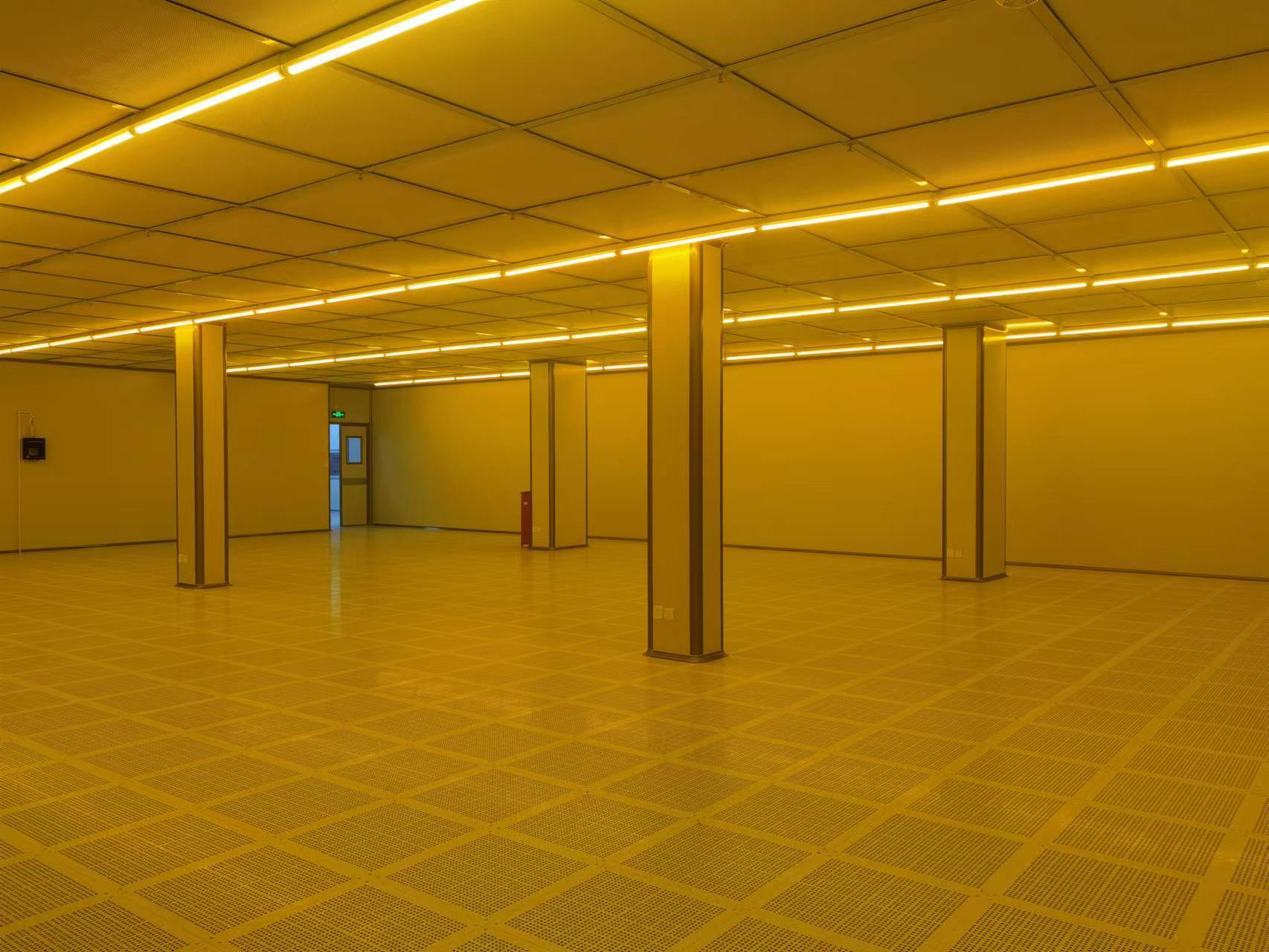
New Display
Life Sciences
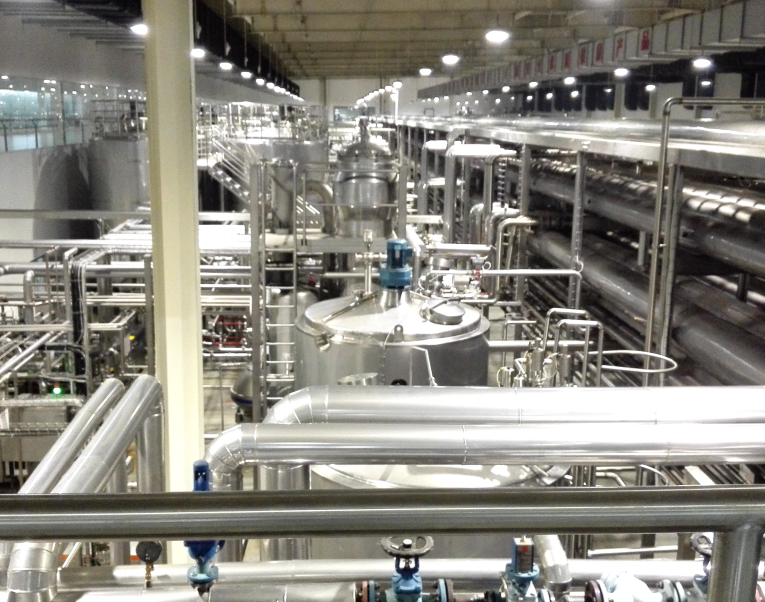
Food & Health
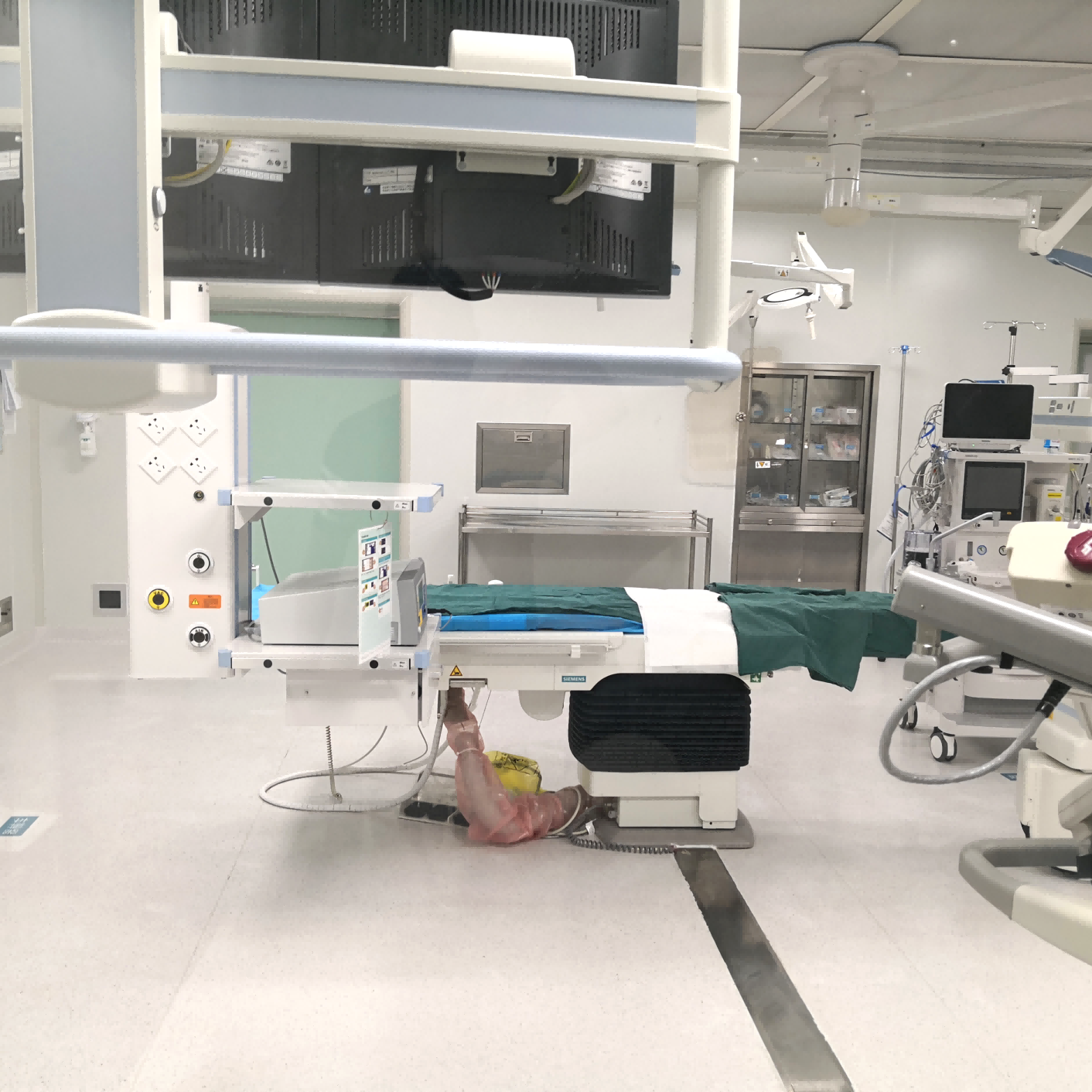
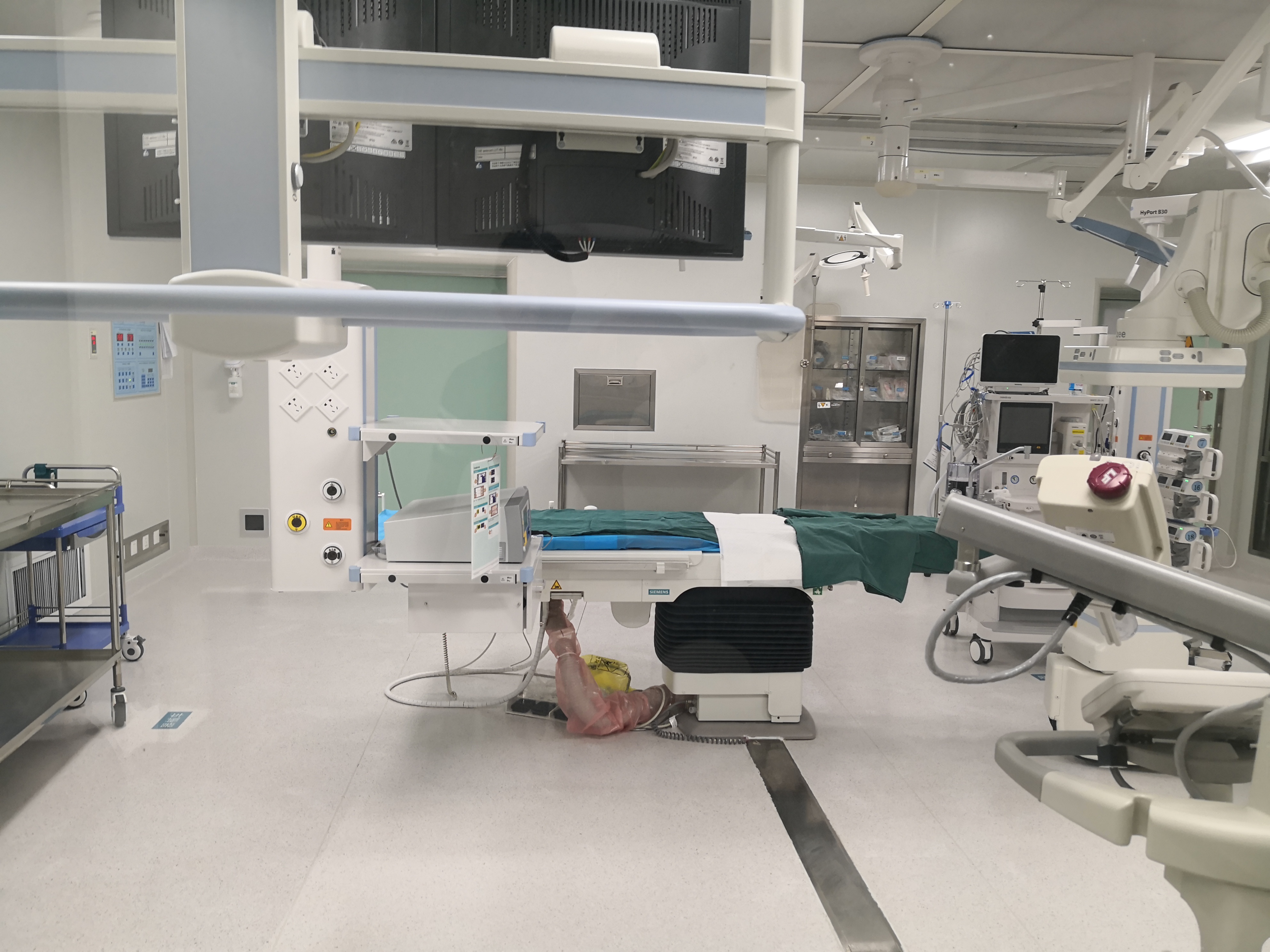
Operating Room
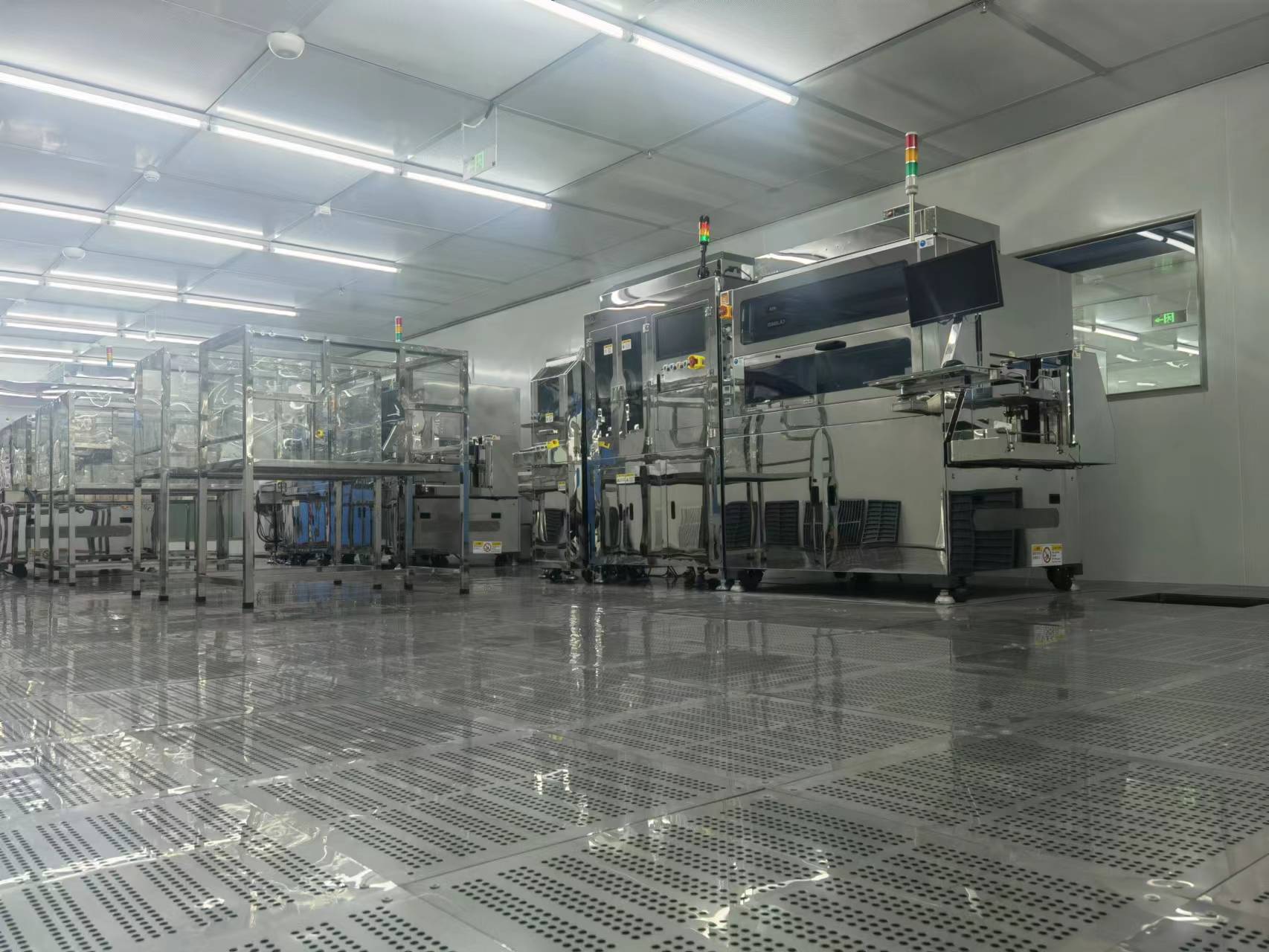
Intelligent Manufacturing
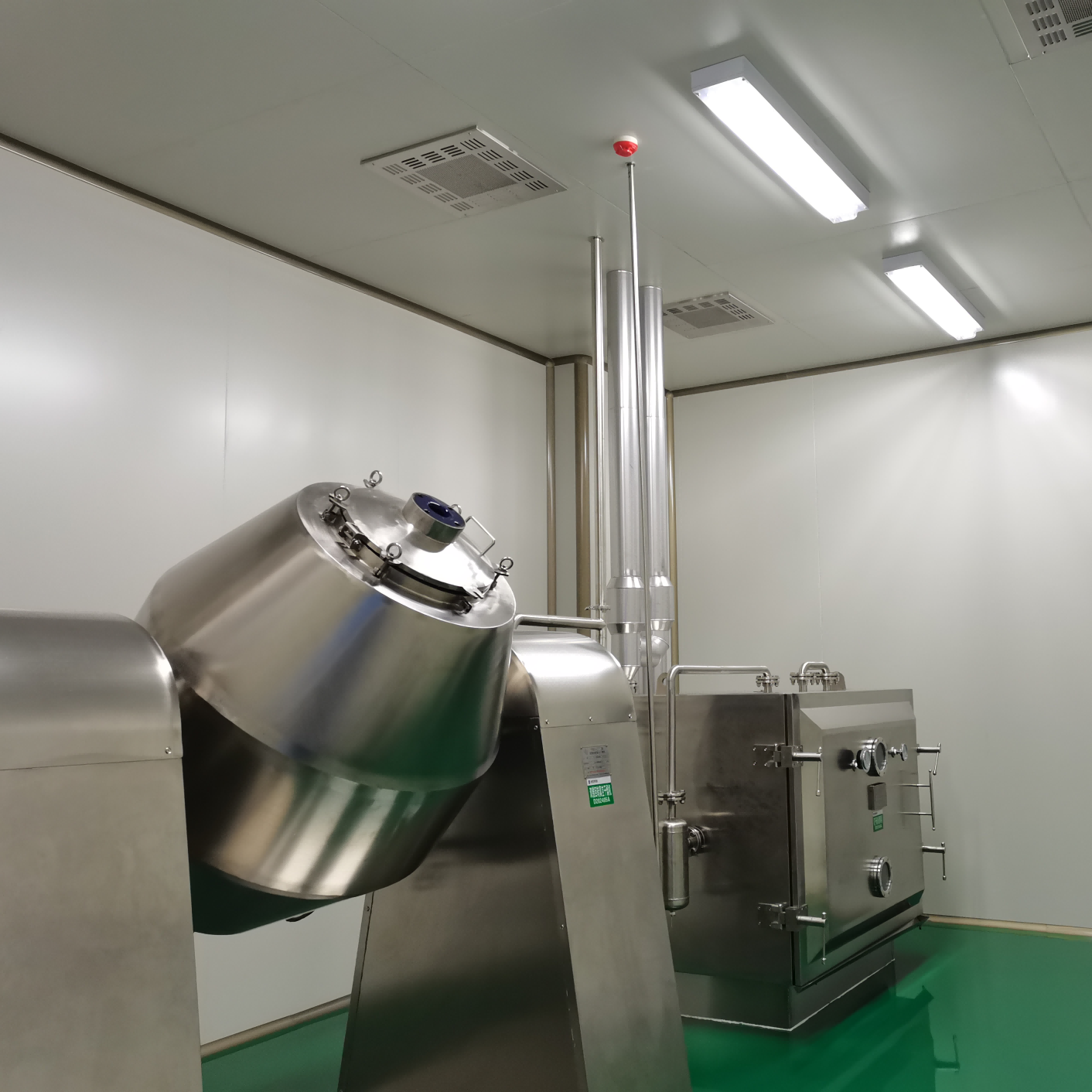
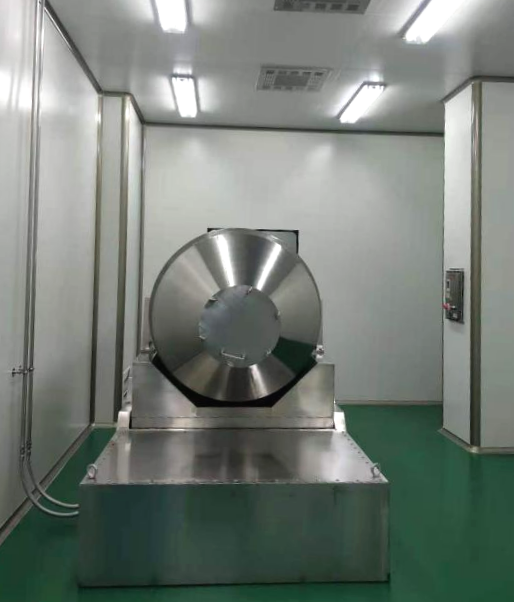
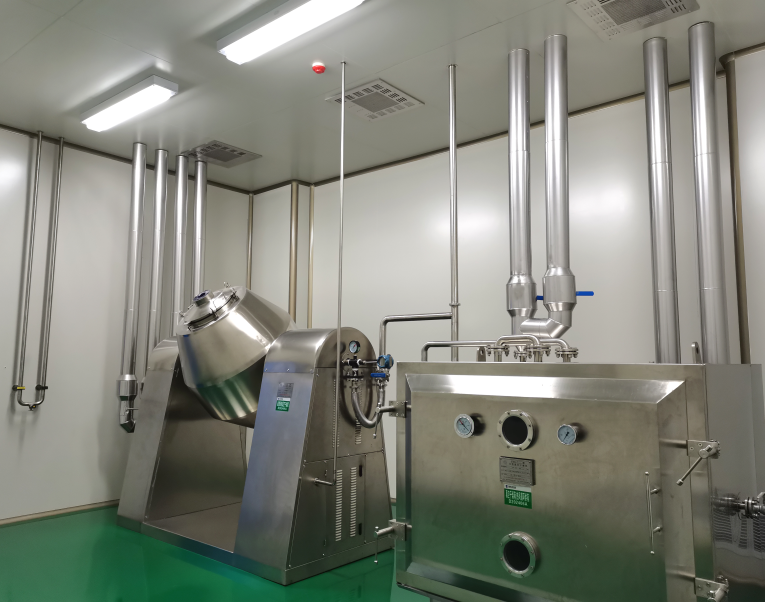
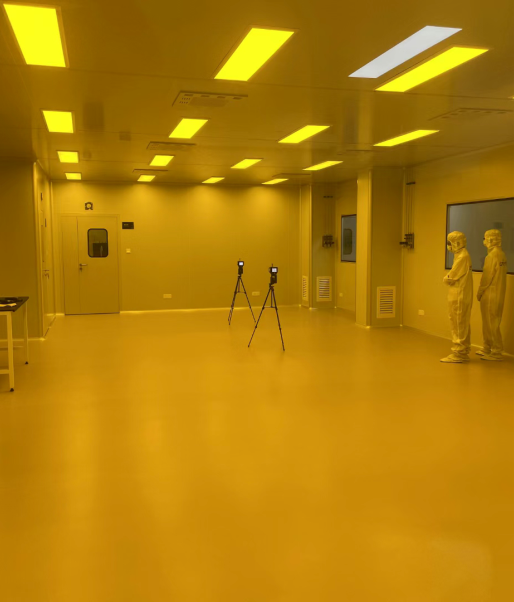
GMP Pharmaceutical Cleanroom Environmental Control
In GMP pharmaceutical facilities, temperature and relative humidity control are critical to product quality, process stability, and regulatory compliance. Relative humidity is commonly maintained at approximately 50% where appropriate, while overly dry conditions below 45% may increase the risk of static electricity buildup. Uncontrolled exposure to temperature and humidity can compromise product stability, reduce shelf life, and potentially render products unsuitable for use.
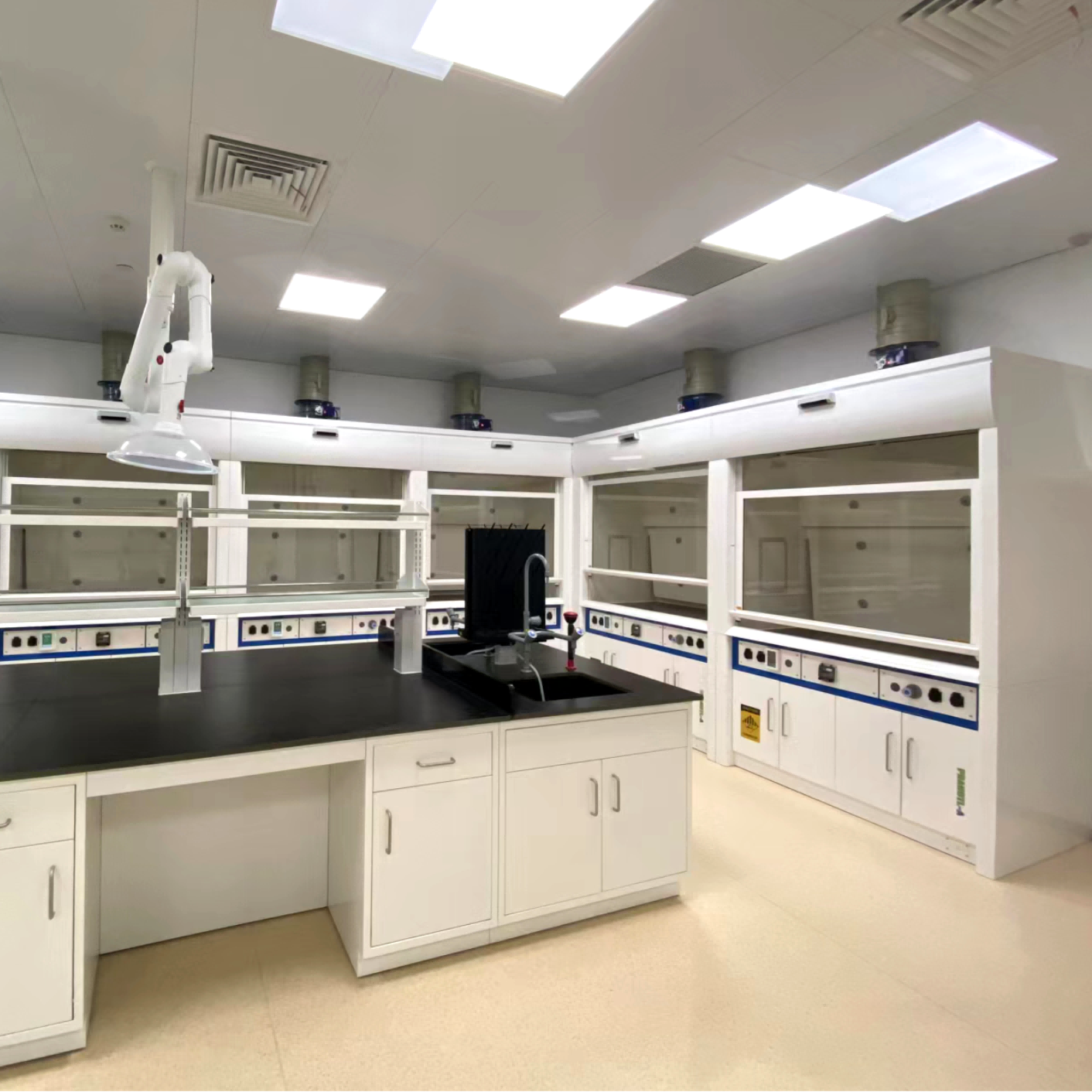
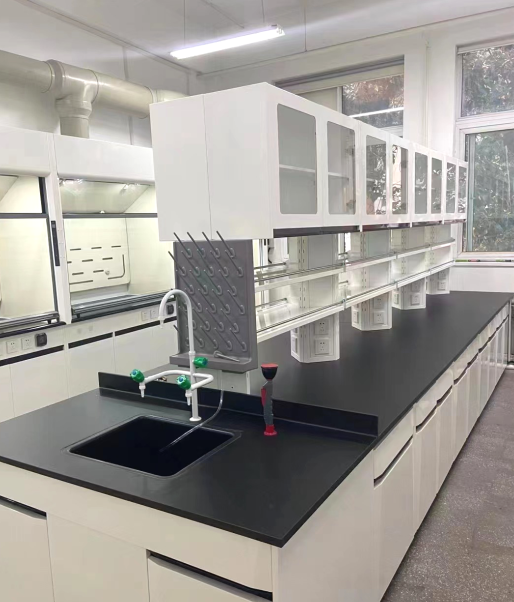
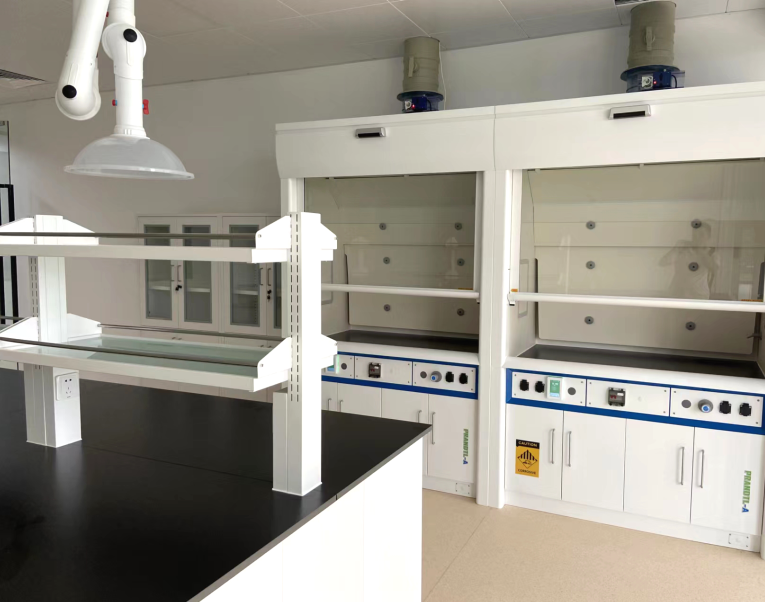
Biological Laboratory Cleanroom Solutions
Biological laboratories require controlled layouts, contamination control measures, and appropriate biosafety protection. Laboratory areas should be located away from boiler rooms, major roads, high-traffic areas, and other potential sources of vibration, noise, heat, or contamination.

For Class 100 / ISO 5 production areas, laminar flow hoods and clean benches can provide localized high-cleanliness protection for critical operations. For diagnostic reagent production involving positive-control materials, Class 10,000 / ISO 7 rooms or cleaner environments should be equipped with biosafety cabinets, inactivation equipment, or validated in-situ disinfection systems.

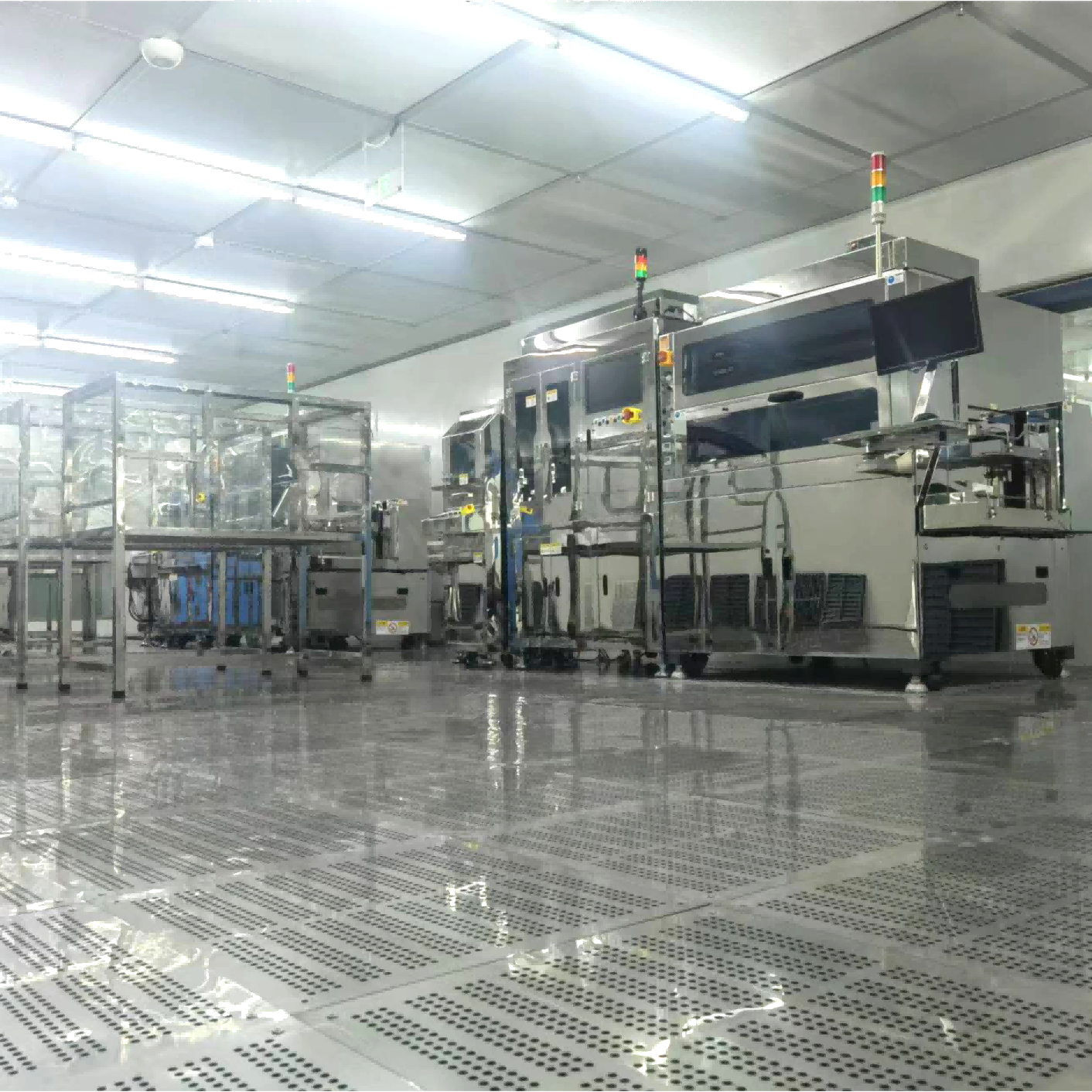
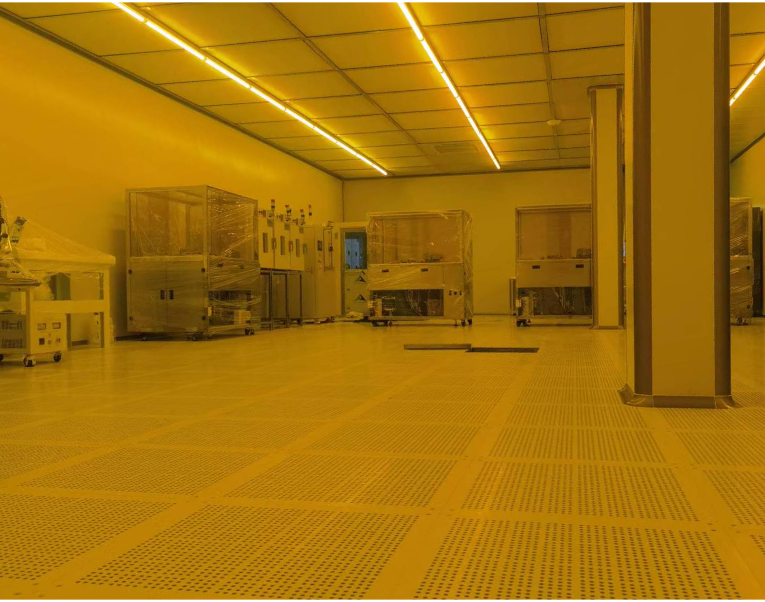
Semiconductor Cleanroom Solutions
In semiconductor chip manufacturing, electrostatic discharge (ESD) control is critical to product quality, process stability, and manufacturing yield. ESD events may damage sensitive wafers, devices, and electronic components, leading to reduced yield and increased production loss.

Since electrostatic buildup is more likely to occur in dry environments, semiconductor cleanrooms require precise temperature and relative humidity control. A well-designed cleanroom environment helps mitigate ESD risk, improve process reliability, and maintain suitable working conditions for operators.
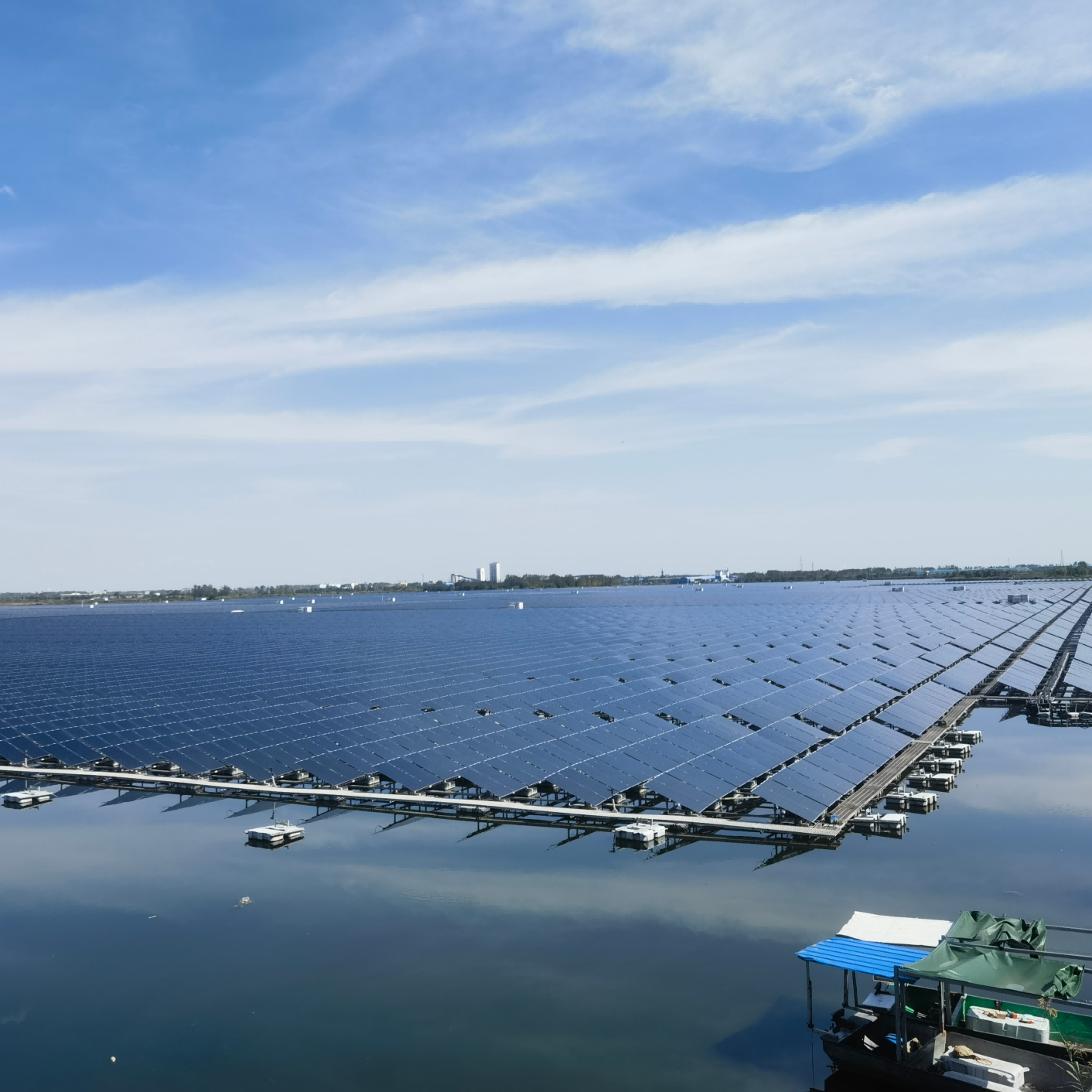
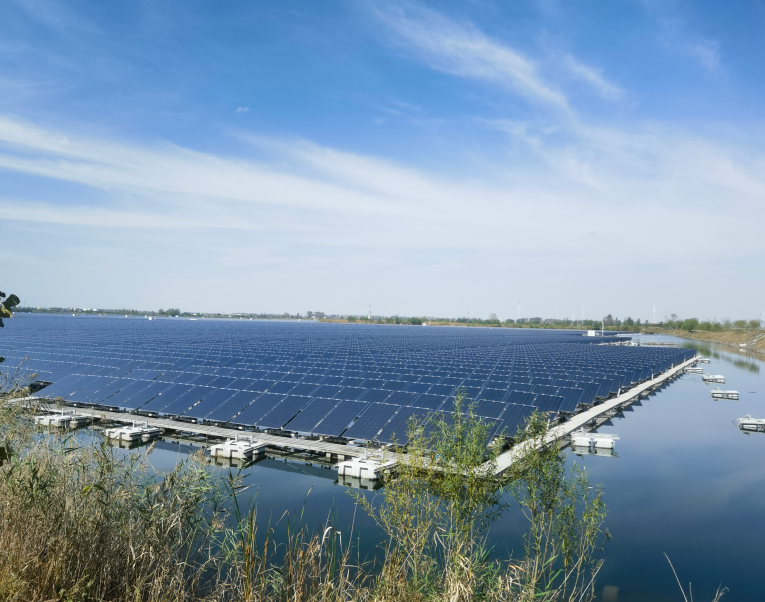
Solar Energy Cleanroom Solutions
Solar energy offers long-term availability, clean power generation, and flexible deployment, making it one of the most important renewable-energy technologies. Crystalline silicon photovoltaic modules are typically designed for long service life, with expected operational lifespans of approximately 25 to 35 years depending on product quality, installation conditions, and maintenance practices.

As photovoltaic technologies continue to improve in conversion efficiency, reliability, and manufacturing scalability, cleanroom and controlled-environment systems play a critical role in supporting high-quality solar cell and module production.
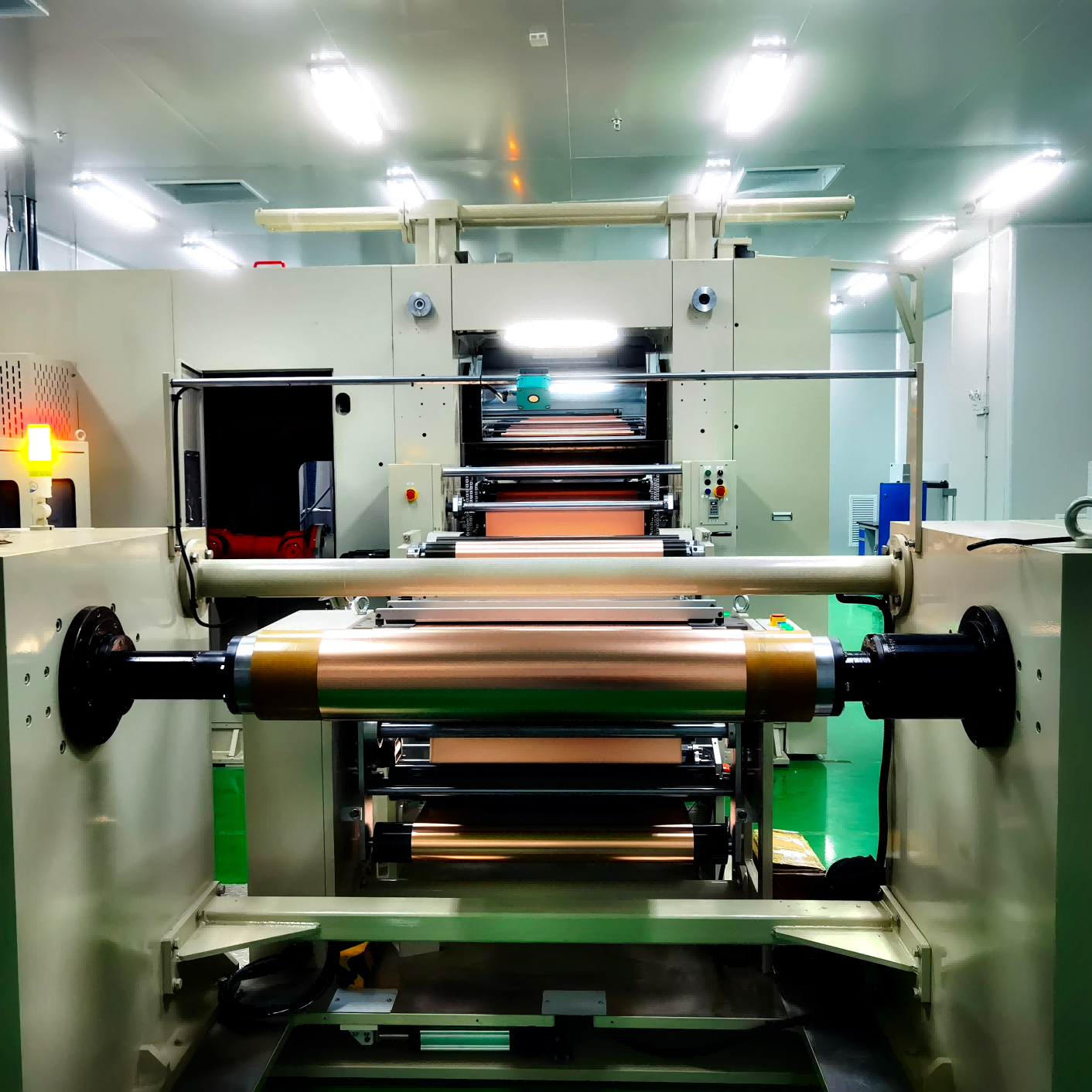
Lithium Battery Dry Room Solutions
Lithium-ion battery manufacturing requires strict control of moisture, airborne particles, and process-environment exposure. During electrolyte handling and filling, lithium hexafluorophosphate (LiPF₆) may react with moisture and generate hydrogen fluoride (HF), which can affect cell stability, contribute to swelling, cause thickness variation, and interfere with proper SEI film formation.

Airborne particles and dust may also lead to internal short circuits, reducing battery safety, reliability, and production yield. For critical processes such as slurry mixing, coating, cell baking, electrolyte filling, and sealing, low-dew-point dry rooms are required to maintain stable environmental conditions, control moisture exposure, and support high-quality lithium-ion battery production.
Dairy and Food Manufacturing Cleanroom Solutions
We deliver cleanroom and controlled-environment solutions for dairy and food manufacturing facilities, with a focus on hygienic design, contamination control, temperature and humidity management, and food safety.

Our integrated EPC services cover consulting, design, project management, construction, installation, commissioning support, operation and maintenance, and regulatory approval coordination.
Clean Operating Room Solutions
Clean operating rooms require precise control of air cleanliness, temperature, relative humidity, pressure relationships, airflow patterns, and microbial contamination risk. Under GB 50333-2013, clean operating rooms are generally designed with relative humidity maintained between 30% and 60% and room temperature between 21°C and 25°C. Clean auxiliary rooms are typically controlled below 60% RH, with room temperature maintained between 21°C and 27°C, depending on room function and applicable project requirements.

For procedures with stringent aseptic requirements, such as organ transplantation, joint replacement, and cardiac surgery, Class 1,000 / ISO 6 or cleaner laminar-flow operating rooms may be used to provide a highly controlled surgical environment.
Selected Projects
We provide integrated cleanroom and controlled-environment solutions for advanced manufacturing, life sciences, healthcare, and high-tech industries.

Our capabilities cover cleanroom design, interior fit-out, MEP systems, steel structures, environmental systems, purification systems, and intelligent building integration.

From consulting and design to project management, construction, commissioning, maintenance support, and permitting coordination, we deliver end-to-end EPC services that help clients build compliant, efficient, and high-performance cleanroom facilities.
What We Do

Phone: 626-365-0321

Email: atclean@atclean.com

Address:

9300 Santa Anita Ave, Ste 108

Rancho Cucamonga, CA 91730

USA

Cleanroom Project Inquiry Form

Silicon Valley Cleanroom Design Institute specializes in delivering cleanroom solutions for clients across semiconductor microelectronics, LED and LCD displays, optoelectronics, photovoltaic and chip manufacturing, precision manufacturing, food and pharmaceutical production, biological laboratories, hospital operating rooms, and aerospace applications.

{{item.label}}

Our team will contact you as soon as possible. For urgent assistance, please contact us at 909 266 3502.

Powered by Feedback Subscribe Data
Back to Top